要点摘要(约 30 秒)
- 亥是十二支的末位,而循藏诀只给它两个天干:「亥中壬水甲木存」。全表恰藏两支的只有午与亥 —— 午那一对全阴,亥这一对全阳。亥是十二支里唯一「两个藏干都是阳干」的一支。六合表把亥(猪)与寅(虎)配成一对;三合局是亥卯未——与兔、羊同局;相冲是巳(蛇),相害是申(猴)。
- 这十一年里两条新年线一次也不重合。五年是立春先到、六年是正月初一先到,相距从 1935 年的一天到 2007 年的十四天。立春在后八个猪年落在 2 月 4 日、在前三个落在 2 月 5 日,从不落到 3 日。
- 六十甲子从甲子起、到癸亥收,而癸亥是猪年;本页十一个猪年里 1923 与 1983 正是癸亥,次年都是甲子。《说文解字》给亥字收的尾句形状一样:「亥而生子,復從一起」—— 到了亥就生出子,再从一数起。
- 甲是十天干之首。全表的藏干里它只出现在两支:寅把它当本气(「寅藏甲木和丙戊」),亥把它放在次位(「亥中壬水甲木存」)。所以十二支的最后一支,是全表唯一「甲在场、却不是本气」的地方。
- 两套口径回答的是两个不同的问题。循藏诀与本站引擎给两支,并把它拆成「壬水 15分 / 甲木 5分」—— 这个 15/5 的拆分全表只有午与亥。《三命通会》按月分配人元的另一章给三支:「十月建亥,亥中有戊土五日,甲木長生五日,壬水用事二十日」。
先说答案
猪是十二生肖的第十二位、也是最后一位,地支为亥,对应 21:00 到 23:00。猪年是 1911、1923、1935、1947、1959、1971、1983、1995、2007、2019 和 2031。六十甲子就收在这一支上:癸亥是猪年,1923 和 1983 都是癸亥,各自后面接一个甲子。
亥正好藏两个天干,而且两个都是阳——壬和甲,而甲是十天干的第一位。十二支里只有午也正好藏两个,午那一对却都是阴。所以这个循环的最后一支,压着第一个天干。
用生日就知道十一个猪年里哪个是你、落在五种形态的哪一种。
下面讲这一对藏干、两种读法,以及十一条年界的距离。
最后一支,与它藏着的第一个天干
十二支止于亥,字典给这个字的头一句就四个字加一句:「地支的末一位,属猪。」《三命通会》把十二支配十二生肖一行写尽,收到同一个字上(「…申屬猴,酉屬雞,戍屬犬,亥屬豬」)。同一章接着按奇偶与足数把十二支分两半:「奇者鼠、虎、龍、馬、猴、犬,一則屬陽,六獸之足皆單;偶者牛、兔、蛇、羊、雞、豬,二則屬陰,六獸之足皆雙」—— 猪归在偶数的六个里,那六个的脚都是成双的。
这支值得单独读,是因为它里面装的东西。循藏诀只给亥两个天干,多一个也没有:「亥中壬水甲木存」—— 壬水与甲木。把全表数一遍,恰藏两个天干的只有两支:午,藏丁与己;亥。本站跑排盘的引擎读的是同一首诀,逐支复现同样的个数:1、3、3、1、3、3、2、3、3、1、3、2。
再看这两个天干是谁。甲是十天干里的第一个,而全表的藏干里,它只出现在两支:寅,诀把它写在本气的头一个字(「寅藏甲木和丙戊」);亥(「亥中壬水甲木存」)。也就是说,十二支的最后一支,是全表唯一一处「甲在场、却不是本气」的地方。
猪的配对:在关系表上的那一行
- 六合: 虎
- 三合: 兔, 羊
- 相冲: 蛇
- 相害: 猴
- 三刑: 无
- 自刑: 猪
五支、五条,没有一支被写两遍。相害那一行是全书少见的「两边都不豁免」的写法:「申亥相害者,謂名恃臨官,競嫉才能,爭進相害。故申見亥,亥見申均為害」—— 申进亥、亥进申,两边都算。那一章里并非每一对都这样写;紧挨着的下一条就给鸡与狗的相害留了单向的豁免(那一处见鸡篇)。
六合也是两边分别打分的。那章引《天元變化書》,把同一对从两头各读一次,读出两个结果:「寅合亥福清」「亥合寅福慢」;而配对的理由它按数说,不按动物说:「寅為三陽,亥是六陰,三六成九數」。
一套口径给两支,另一套给三支
关于「一支里装什么」,传统不止一种说法,而亥正好是两套说法对得上的地方。载有循藏诀的那一页,同时把十二支各按满分二十分打分,它把亥拆成「壬水 15分」与「甲木 5分」。全表按 15/5 这个比例拆的,只有另一支:午,「丁火 15分」与「己土 5分」。
《三命通会》按月分配人元的另一章,给这支的不是两个而是三个:「十月建亥,亥中有戊土五日,甲木長生五日,壬水用事二十日」—— 戊土五日、甲木当长生五日、壬水用事二十日。
两套口径回答的是两个不同的问题 —— 一支整体装什么,与它当月里哪几天轮到谁当家 —— 表上其它支也是这个道理。它们一致的地方是阴阳:黄历把「寅申巳亥」并作「四驛馬位」,并注明「藏幹皆陽」。这四个里,寅、巳、申各藏三个天干,亥藏两个。按循藏诀这一套,亥是十二支里唯一「两个藏干都是阳干」的一支。
同一页还用一句话给出这支在十天干循环里的两个身份:「亥為甲之長生,壬之臨官」—— 甲在这里出生,壬在这里临官。
木局是从一个水支开始的
三合局按《三命通会》六个字讲的规矩走:「生即產,旺即成,庫即收」—— 生是产出,旺是成就,庫是收存。「亥卯未」是木局,读起来正好是那个顺序:亥开它,卯是它的旺,未是它的庫。
开头的那个位置是这件事里最不直白的一处。生木的是水,而开木局的那个支是个水支 —— 所以这一个局的三个成员来自三种不同的五行。这三个位置里已经有两个在本站有页:兔是这个局的中位,羊是它的庫。
一个局还是全有或全无。同一章不认缺角的局:「若三字缺一則化不成局,不可以三合化局論」—— 三个字少一个,就根本不成局。
读你的属相和五行 — 免费那个字原本画得像一头猪
「亥」字条记下了这个字与「豕」曾经有多近:甲骨文的写法相似到值得在《吕氏春秋·慎行论》里写一句「豕与亥相似」,成语「鲁鱼亥豕」至今还指着这一类抄写之误。《论衡·物势》把这话说得更直:「亥,豕也」;而《说文解字》的古文形就是那个猪字 —— 「𢁓,古文亥爲豕,與豕同」。
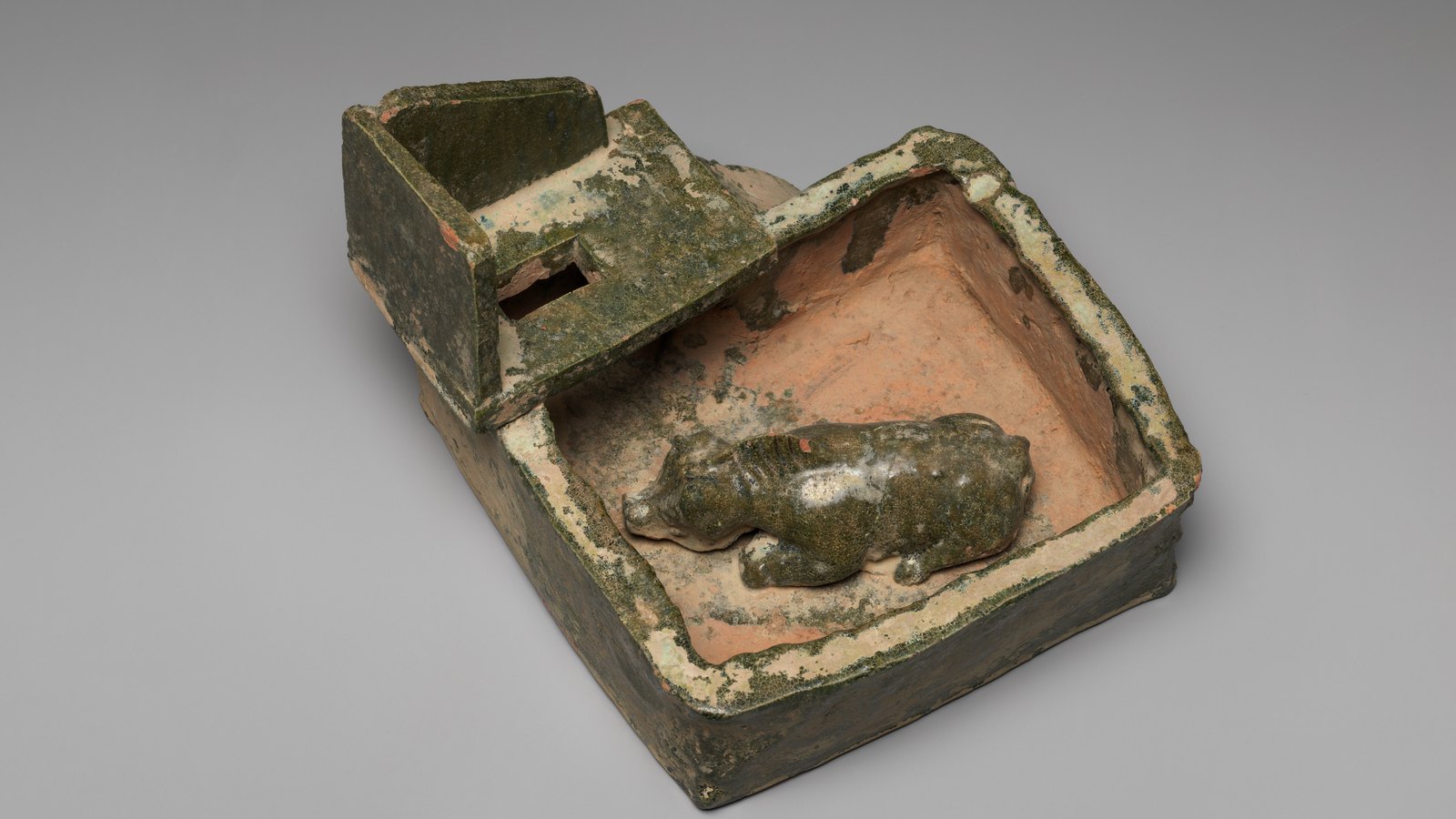
猪也是那个最后走进了「家」字里的动物。首都博物馆给自己这个展览写的说明,是照着字形念下来的:「从字形上看,房屋里有一头猪,表示豢养猪畜的稳定居所,是人类经历迁徙走向定居,生活安宁、富足的见证」—— 屋顶之下一头猪,说的是猪被养在固定的圈里:一个四处迁徙的人群定居下来的那一刻,房子才成了安宁而富足的地方。
而这个动物本身的记录,也比另外十一个都早。人民政协网写猪文物的那篇文章说:「最早在距今9000年之前的贾湖遗址中,就曾出现过很多猪骨陪葬」—— 贾湖遗址在九千年以前就出土了许多陪葬的猪骨,那是中国养猪最早的证据。
夜里九点到十一点,与第十个月
亥占着一天里最后一个双时辰:21:00 到 23:00。广东省中医药局的时辰表把它读作「亥时:人定,又名定昏等(21时至23时)」—— 人定,人都安定下来的那个时辰;到了 23:00,子时重新起数。
但它的月不是最后一个月。以地支排月份,头一个是「正月建寅」;数到猪这一支,书上写「十月建亥」,字典也说「用以纪月,农历十月为亥」。所以亥是第十二支、是一天里最后一个时辰、却是第十个月 —— 三个序数彼此不一致。
这种错位不是猪独有的:每个地支管着的月都比自己晚(或早)两位,因为月份表是从寅起数的。值得留意的地方更窄一些:动物那一轮和时辰那一轮都把猪放在最后,月份那一轮没有。
猪年的五种形态
每个生肖年都带五行里的一种,而 1911 到 2031 之间的十一个猪年分得并不齐:
| 形态 | 猪年 |
|---|---|
| 木猪 | 1935, 1995 |
| 火猪 | 1947, 2007 |
| 土猪 | 1959, 2019 |
| 金猪 | 1911, 1971, 2031 |
| 水猪 | 1923, 1983 |
金猪有三个而不是两个,而这三个年恰好各隔六十年。原因在整轮循环里都一样:十天干与十二地支只在同奇偶之间相配,而亥是偶数支,所以猪年只能落在五个阴干上 —— 乙、丁、己、辛、癸。辛是金的那一个,它每六十年才回来一次。
收在六十上的那一年
六十甲子一共六十对,收尾的那一对不是开头的那一对:第一位是甲子,第六十位是癸亥,而癸亥是猪年。本页十一个猪年里,1923 与 1983 就是癸亥,而这两年的下一年都是甲子。
《说文解字》给亥字收的尾句是同一个形状:「亥而生子,復從一起」—— 到亥就生出子,再从一数起。注里把这个位置为什么落在亥说穿了:「十月於卦爲坤,微陽從地中起接盛陰」, 一点阳气从地底下升起来接满盛的阴气,也就是《易经》说的「龍戰於野」。
把动物配到这一支上的解释,也顺着同一条线走。首都博物馆给这个展览写的说明直接点破:「亥猪作为时间和生命循环周期的界点,是周期循环的终点,也是新周期的起点」—— 猪所在的这一支,是一个循环结束、下一个循环开始的那道坎。这一条本身不决定动物为什么这么排;它说的是,猪所在的这一支,正是一轮六十走回来的那一支。
十一个猪年,与两条起跑线
猪年有两个开头。定一个年生肖的那个标准,从正月初一起算;排盘则从立春起排月柱。香港天文台把两条线印在同一张表上,以下是它给 1911 到 2031 十一个猪年的日子:
| 年 | 干支 | 形态 | 正月初一 | 立春 | 相距(+立春先) |
|---|---|---|---|---|---|
| 1911 | 辛亥 | 金猪 | 1911/01/30 | 1911/02/05 | −6 天 |
| 1923 | 癸亥 | 水猪 | 1923/02/16 | 1923/02/05 | +11 天 |
| 1935 | 乙亥 | 木猪 | 1935/02/04 | 1935/02/05 | −1 天 |
| 1947 | 丁亥 | 火猪 | 1947/01/22 | 1947/02/04 | −13 天 |
| 1959 | 己亥 | 土猪 | 1959/02/08 | 1959/02/04 | +4 天 |
| 1971 | 辛亥 | 金猪 | 1971/01/27 | 1971/02/04 | −8 天 |
| 1983 | 癸亥 | 水猪 | 1983/02/13 | 1983/02/04 | +9 天 |
| 1995 | 乙亥 | 木猪 | 1995/01/31 | 1995/02/04 | −4 天 |
| 2007 | 丁亥 | 火猪 | 2007/02/18 | 2007/02/04 | +14 天 |
| 2019 | 己亥 | 土猪 | 2019/02/05 | 2019/02/04 | +1 天 |
| 2031 | 辛亥 | 金猪 | 2031/01/23 | 2031/02/04 | −12 天 |
在这个窗口里,两条线一次也没有落在同一天。十一年里有五年是立春先到、六年是正月初一先到,而距离拉得很开:从 1935 年的一天,到 2007 年的十四天。
太阳那条线在这里既稳又早。立春在后八个猪年落在 2 月 4 日,在前三个落在 2 月 5 日,一次也没有挪到 3 日。月亮那条线跑得远得多,从 1947 年的 1 月 22 日一直摆到 2007 年的 2 月 18 日 —— 二十七天的幅度,由朔日定,不由太阳定。这十一年里 1995 年还带着一个闰八月,那一年的页写的是闰月改什么、不改什么。
本页可能错在哪里
关于亥里装什么的两套口径,上面是并排写出来的,没有合成一套 —— 因为它们回答的是不同的问题,谁也不是对谁的更正。天干、地支与关系的数目,来自本站引擎与材料原文印出的口诀,两者都写出来,便于互相核对。古典原文引自线上转录本,不是校勘本,个别字可能与纸本不同。动物与地支的对应关系指的是一套历法里的位置,不是对一个活人的描述;本页也不对猪年会发生什么作任何断言。
仅供自我反思与娱乐,非医疗、法律、财务或心理建议,也不是对事件的预测。本页只数地支、并照录材料对关系的说法,不对个人结果作预测;一个地支名不是一套性格。
参考来源
- Sanming Tonghui (三命通会), juan 2, 'On the Animals of the Branches' (論地支屬相) — writes the pairings out in one line and lands on this animal without hedging, 巳屬蛇,午屬馬,未屬羊,申屬猴,酉屬雞,戍屬犬,亥屬豬. It then splits the twelve by parity and by feet — 奇者鼠、虎、龍、馬、猴、犬,一則屬陽,六獸之足皆單;偶者牛、兔、蛇、羊、雞、豬,二則屬陰,六獸之足皆雙 — filing the Pig with the even six, and later gives the branch's element and animal together: 亥,豕也 … 亥,水也,其禽豕
- Sanming Tonghui (三命通会), juan 2, 'On the Human Element in Charge' (論人元司事) — parcels each month out day by day, from 正月建寅 to 十二月建丑. The line this page uses is the tenth month: 十月建亥,亥中有戊土五日,甲木長生五日,壬水用事二十日 — three tenants under that reading, one more than the verse gives
- Sanming Tonghui (三命通会), juan 2, 'On the Six Combinations of the Branches' (論支元六合) — quotes the Tianyuan Bianhuashu (《天元變化書》), which grades each of the six combinations in both directions separately. The line for this pair is 寅合亥福清,亥合寅福慢. The chapter also explains the pairing numerically rather than by animal — 寅為三陽,亥是六陰,三六成九數 — and files this branch with the six it calls yin: 丑卯已未酉亥六者為陰
- Sanming Tonghui (三命通会), juan 2, 'On the Three Harmonies of the Branches' (論支元三合) — explains a frame as birth, peak and storehouse in one line, 生即產,旺即成,庫即收,有生有成有收, and rules that a frame missing one of its three does not form at all: 若三字缺一則化不成局,不可以三合化局論. It names the water frame as 申子辰為水局 and the rest alongside it in 已酉丑、寅午戌、亥卯未皆然 — the spelling 已酉丑 is the page's own. This branch opens the wood frame
- Sanming Tonghui (三命通会), juan 2, 'On the Six Harms' (論六害) — defines the set as 十二支凌戰之辰 and then explains each pair on its own grounds. The line for this branch gives no exemption to either side: 申亥相害者,謂名恃臨官,競嫉才能,爭進相害。故申見亥,亥見申均為害,更納音相剋者重 — harm both ways. The same chapter's next line is the counter-example, 酉戌相害者 … 故酉人見戌則凶,戌人見酉無災, one direction only
- Sanming Tonghui (三命通会), juan 2, 'On the Three Punishments' (論三刑) — derives the punishment sets rather than asserting them, running each frame against each group: 亥卯未加亥子丑,則亥見亥自刑,卯刑子,未刑丑. It also gives this branch a one-line reason of its own inside the self-punishment passage, 亥者水之生,旺則朽 — at 亥 water is at its birth, and at its full it rots. This page does not work the self-punishment out again; the Rooster's page does that
- Hanyu Dictionary almanac (漢典黃曆), 'The hidden stems of the branches and the distribution of the five elements' — carries the hidden-stem verse, whose line for this branch is 亥中壬水甲木存, and groups the twelve with a reason for each: 寅申巳亥(長生、臨官、病之地)四驛馬位,藏幹皆陽 — the four birth-position branches hide yang stems only — and here 亥為甲之長生,壬之臨官. Its scoring table gives every branch twenty points; this one splits 亥:壬水 15分,甲木 5分, a division it shares with 午:丁火 15分,己土 5分 and with nothing else
- Hanyu Dictionary (汉典), entry for 亥 — the base entry reads 地支的末一位,属猪, and the fuller one adds 用以纪月,农历十月为亥 and 用以纪时,即夜里九点至十一点. The Guoyu Dictionary entry numbers it, 地支的第十二位 … 时辰名。约当晚上九点至十一点. The character was written close enough to 豕 that the sources say so: 亥,豕也 (《论衡·物势》), 豕与亥相似 (《吕氏春秋·慎行论》), and the Shuowen's ancient form is the pig character outright — 𢁓,古文亥爲豕,與豕同。亥而生子,復從一起 — which is the line this page leans on for the end of the count
- Hanyu Dictionary (汉典), entry for 猪 — the Shuowen definition (《说文解字·卷九·豕部》) is 豕而三毛叢居者。从豕者聲, a pig with three hairs growing from one pore, and the entry's own gloss places the animal in the cycle: 十二生肖之一,配地支的「亥」
- Capital Museum, Beijing (首都博物馆) — the museum's own exhibition page for 家和年丰——猪年生肖文化展, which carries both the character argument and the end-of-cycle reading. On the character, first unit 生生不息: 从字形上看,房屋里有一头猪,表示豢养猪畜的稳定居所,是人类经历迁徙走向定居,生活安宁、富足的见证. On the branch, third unit 岁岁今朝: 亥猪作为时间和生命循环周期的界点,是周期循环的终点,也是新周期的起点;and in the opening: 猪作为时兽与地支中的亥对应,标志着岁月轮回的圆满,预示着蓄势待发的启程
- Renmin Zhengxie Wang (人民政协网), Wu Yucheng (吴裕成), 'The pig in artefacts' (文物中的「猪」故事) — states the animal's position twice and its archaeology once: 猪,古称「豕」,为六畜之首,汉字中,「家」下边就是「豕」字, then 在十二生肖中,「猪」是最后一只动物,与十二地支中的「亥」相对应, and on the record 从目前考古资料来看,最早在距今9000年之前的贾湖遗址中,就曾出现过很多猪骨陪葬,经人类学家的研究,这表明当时已经开始驯化猪
- Health Commission of Guangdong Province (广东省中医药局) — the twelve double-hours listed in order with their traditional names and clock hours; for this one: 亥时:人定,又名定昏等,此时夜色已深,人们也已经停止活动,安歇睡眠了。人定也就是人静。(21时至23时). The sensor reads 人定, the hour the household has settled
- National Standard of the People's Republic of China GB/T 33661-2017, Calculation and promulgation of the Chinese calendar (《农历的编算和颁行》), drafted by the Purple Mountain Observatory of the Chinese Academy of Sciences — the standard that fixes the animal of a year on the lunar year beginning at the first day of the first lunar month, which is the convention the year table names; a chart, by contrast, runs the month pillars from 立春. Record on the National Public Service Platform for Standards Information (全国标准信息公共服务平台)
- Guangming Online (光明网) — the two ways of placing a birth in a year, and why a page that prints both is not hedging: the animal follows the lunar new year, and the chart follows 立春, and the two conventions answer different questions
- Hong Kong Observatory — Gregorian-Lunar Calendar Conversion Table of 1911 (Xin-hai — year of the Pig): the first year of the window used on this page, the first lunar month beginning on 30 January and Spring Commences falling on 5 February, six days later
- Hong Kong Observatory — Gregorian-Lunar Calendar Conversion Table of 1923 (Gui-hai — year of the Pig): Spring Commences on 5 February and the first lunar month not beginning until 16 February — the widest gap in the first half of the window and one of the two years on this page that are 癸亥
- Hong Kong Observatory — Gregorian-Lunar Calendar Conversion Table of 1935 (Yi-hai — year of the Pig): the first lunar month begins on 4 February and Spring Commences falls on 5 February, one day apart — the narrowest gap among the eleven Pig years from 1911 to 2031
- Hong Kong Observatory — Gregorian-Lunar Calendar Conversion Table of 2007 (Ding-hai — year of the Pig): Spring Commences on 4 February and the first lunar month not beginning until 18 February, fourteen days later — the widest gap in the window
- Hong Kong Observatory — Gregorian-Lunar Calendar Conversion Table of 2031 (Xin-hai — year of the Pig): the last year of the window, the first lunar month beginning on 23 January and Spring Commences on 4 February, twelve days later
- GPTbazi — how this site reads a chart