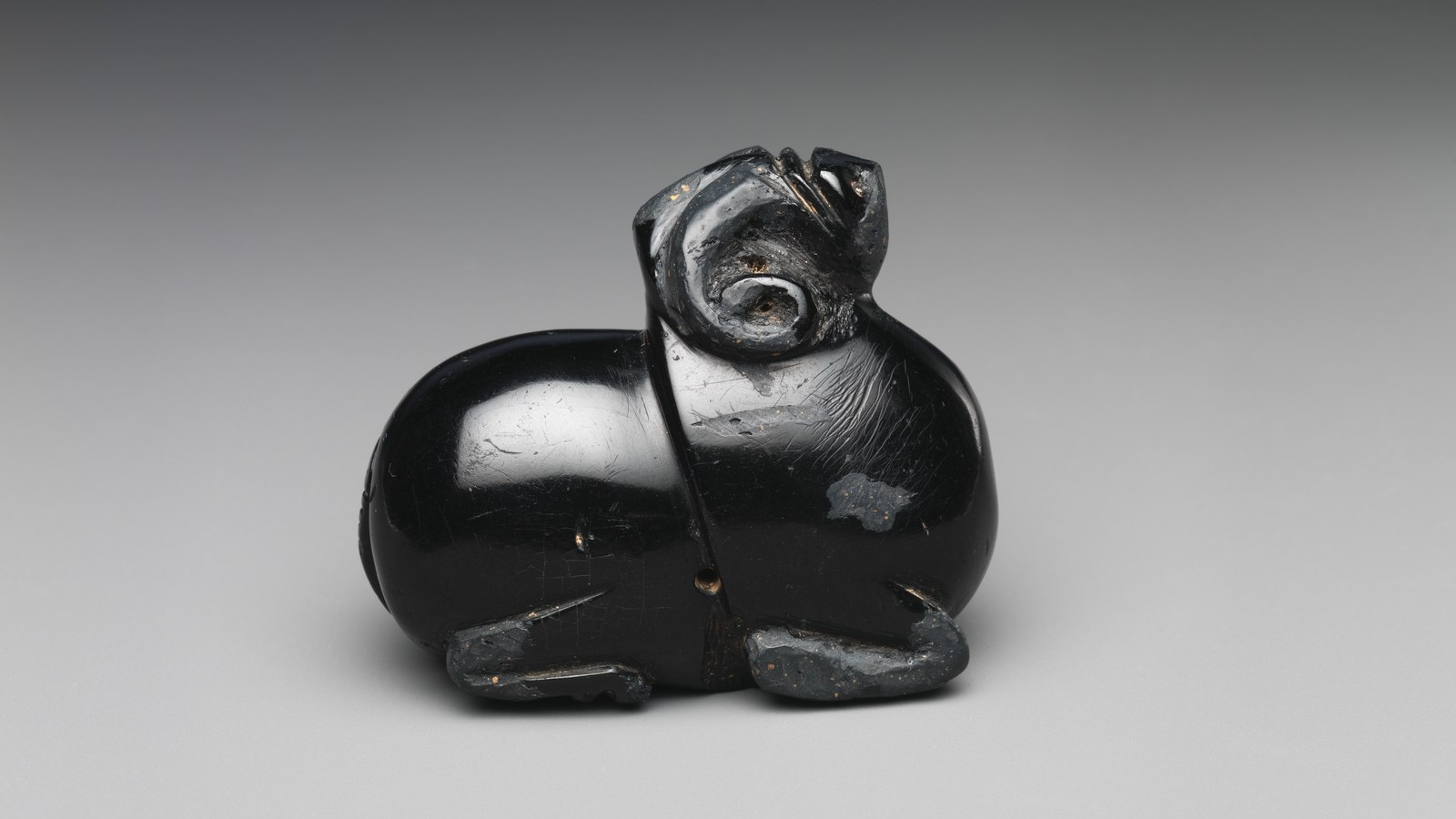
Key takeaways (~30 sec)
- The Year of the Goat opens on February 6, 2027, and closes on January 25, 2028.
- The 2027 stem is Ding, a Yin Fire stem, and it sits over the Earth branch Wei.
- A Four Pillars chart turns its year pillar at Lichun on February 4, 2027, two days ahead of the lunar new year.
- The Goat is the eighth animal in the cycle and sits opposite the Ox.
- GPTbazi lays out the four pillars before the interpretation and offers a free chart, no signup.
The short answer
The Year of the Goat is the 2027 entry in the Chinese zodiac. It opens on February 6, 2027, and closes on January 25, 2028, and the element behind it is Fire. Two calendars draw the boundary two days apart, and the section below takes that up.
The label stops short of a forecast. It names a position in a sixty-year cycle, and a reading that uses it starts from a chart built for one person.
When the Year of the Goat begins
Chinese New Year 2027 falls on Saturday, February 6. The festival runs fifteen days and closes with the Lantern Festival on February 20.
The lunar year that opens there holds no Lichun inside it. Lichun on February 4 comes before the new year, and the Lichun of 2028 falls after the next new year. Folk calendars call that a year without spring, and the label carries a shelf of superstitions about weddings attached to it. It is a counting artifact and says nothing about the months inside.
A Four Pillars chart reads the year from Lichun rather than from Chinese New Year. The year pillar turns over on February 4, 2027, at 09:46 Beijing time.
The order matters for anyone born near that line. Between February 4 and February 6 of 2027, a zodiac table and a chart name different animals for the same birth. The chart says Goat where the table says Horse.
The element behind 2027
Each year in the cycle pairs one of ten stems with one of twelve branches, and the stem supplies the element.
The stem for 2027 is Ding (丁), the Yin member of the Fire pair. The branch is Wei (未), the Goat, whose fixed element is Earth. Together they read Ding Wei (丁未), and almanacs name the year the Red Fire Goat, after the color the tradition assigns to Fire.
Fire here is the element of summer and of what gets seen. A year labeled Fire is read as a warm and expressive one, and the Goat's Earth is the ground that warmth lands on. How much weight the two carry is a judgement inside the tradition, and traditions differ on it.
A stem and branch pair repeats after sixty years. The last Ding Wei year was 1967, and the next arrives in 2087.
What the Goat stands for
The Goat is the eighth animal in the twelve-animal cycle, and the folk reading of it is gentle. Popular lists hand it an artistic temperament, a preference for the quiet solution, and a habit of leaning on other people. That list does not come out of a chart. The animal carries a label a culture attached to it, and the label describes a type rather than a person.
The branch behind the animal carries positions of its own, and they stay separate from the folk traits. Wei is one of the four Earth branches, and it holds the eighth seat on the wheel. The season it marks is the tail of summer. Its month opens at Minor Heat in early July, its hours run from one to three in the afternoon, and its direction is southwest.
The branch outranks the folk list when the two disagree. A chart works with Wei as a position on the wheel, and the animal name is shorthand that has traveled farther than the technical reading.
Goat, sheep, or ram
The Chinese word for the eighth animal is yang (羊), and it names a family of wool-bearing animals rather than one species. English has to pick, and the pick has not settled.
Goat is the common rendering in the United States and carries most of the English search traffic. A goat zodiac sign is what English speakers look for first. Sheep turns up in older translations and in parts of the diaspora. Ram appears in a few reference works. Practitioners who work in English often keep all three and note that the original word does not separate them.
For a reader the answer is calmer than the argument. The three names point to one animal and one branch, and a year called the Year of the Sheep carries the same stem, the same branch, and the same position as a year called the Year of the Goat.
Where the Goat sits in the cycle
Two relations do most of the work when people compare animals, and both are positions on the branch wheel rather than verdicts.
Across the wheel sits the Ox. Wei and Chou stand six steps apart, one on each side of the twelve-branch circle, and the pair is read as an opposition. The relation is called chong (冲) in Chinese, and the two animals are described as facing each other. Read as a position, it points to two forces oriented toward one another. Read as a verdict, it produces the word clash, and the position itself does not say that.
Beside the Goat sits the Horse. Wei and Wu stand next to each other and form one of the six pairing relations, known as liuhe (六合). The two are treated as a working pair, and the relation runs both ways without favoring either side.
The Goat also belongs to a group of three, though which three depends on the frame. One grouping runs Pig, Rabbit, Goat. Another runs Snake, Horse, Goat. The two groupings answer different questions rather than competing ones.
Finding your Chinese zodiac animal
The animal for a birth year comes from the year the birth falls in, and the year is where the trouble starts.
A birth in January or early February sits near a boundary, and two boundaries are in play. The folk calendar changes animal at Chinese New Year. A chart changes the year pillar at Lichun. For a birth inside that window, the two answers differ by one animal.
A year table is the short route. Find the year, read across, and take the animal. A chart is the route that accounts for the boundary. It takes the date, the time, and the birth city, and it measures the birth against the solar terms rather than against the lunar calendar. your free chart lays out the four columns and the year pillar before any interpretation sits on top of them.
The animal is one column of four. A chart continues past it with a month, a day, and an hour, and the day stem is the character a reading anchors to. The animal is where the reading starts, and the site lays it out first for that reason.
A second piece takes up the gap between the animal and the full chart: Chinese zodiac vs BaZi. For the Goat in 2027, the animal is the door and the four pillars are the room.
FAQ
Which animal is 2027? The Goat. The Chinese zodiac year opens on February 6, 2027, and the branch behind it is Wei, the eighth animal in the cycle.
Is 2027 the Year of the Goat or the Year of the Sheep? Both names point to one animal. The Chinese word covers the family of wool-bearing animals, and English splits between goat, sheep, and ram.
Why do some sources put the Goat year at February 4? Because a Four Pillars chart turns its year pillar at Lichun, the start of spring, which lands on February 4, 2027. The folk calendar changes its animal at Chinese New Year on February 6.
What element does the 2027 year carry? Fire. The stem is Ding, the Yin member of the Fire pair, and it sits over the Wei branch.
What does a Goat year mean for one person? It names a position in the cycle rather than a set of events for one person. A personal reading starts from a chart built on a birth date, time, and city, and the site presents those patterns for entertainment and self-reflection.
GPTbazi is a personality map for entertainment and self-reflection. It is not medical, legal, financial, or psychological advice, and it is not a prediction of events.
Sources
- GPTbazi BaZi methodology
- Encyclopaedia Britannica, Chinese zodiac
- Chinese zodiac, Wikipedia
- Goat (zodiac), Wikipedia
- Sexagenary cycle, Wikipedia
- Chinese New Year, Wikipedia
- Hong Kong Observatory, Gregorian-Lunar Calendar Conversion Table
- GB/T 33661-2017, Calculation and Promulgation of the Chinese Calendar