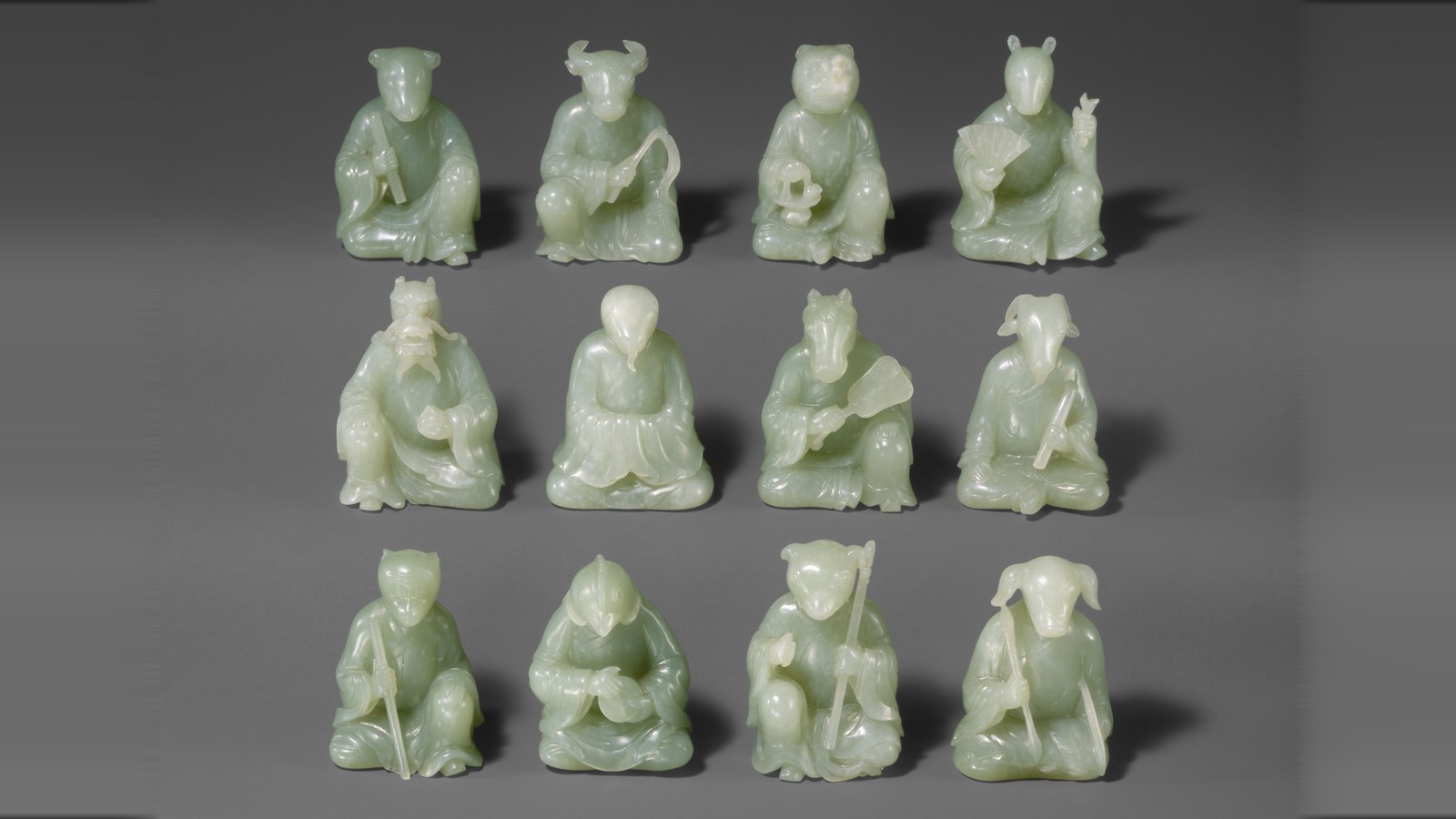
Key takeaways (~30 sec)
- Every cell in the 144-cell chart comes from one of six classical branch relations. None of them is a score.
- Six Harmony, Three Harmony and Harm never share a pair, so a pairing carries at most two rules — four cross pairs carry two.
- 74 of the 144 cells carry no named relation at all. That means the classical set is silent, not that the pair is bad.
- In 2026 the two year boundaries sit thirteen days apart: Li Chun on 4 February, Lunar New Year on 17 February.
- The year branch is one of four, and the one that changes every year. The day pillar is what BaZi reads for partnership.
What this table is, and what it is not
This page classifies every pairing of two of the twelve Earthly Branches: 144 cells, counting each animal against itself and against all eleven others. Every cell is produced by one of six relations that classical sources already name — Six Harmony, Three Harmony, Clash, Harm, Punishment and Self-punishment. The chart is generated from those rules. It is not typed in by hand.
That distinction matters, because the compatibility charts most readers have seen publish a rating instead: a score, a row of hearts, a percentage. A rating cannot be audited. If two sites disagree about Dragon and Rooster, neither can show you the step where the disagreement entered, because a rating has no steps. A rule does.
So there are no scores here and no ranking of the twelve animals. What you get is a lookup: your branch, their branch, the relation if the classical set names one, and nothing if it does not.
Two structural numbers are worth carrying away. Of the 144 cells, 74 are marked with a dot, meaning no rule in the set covers that pair. And of the 78 distinct pairings — twelve self-pairs plus 66 cross pairs — four are named by two rules at once.
One more thing before the table: this is a classification of branches, and a branch is a category, not a person. What the year animal does and does not cover is worth reading alongside it.
Which animal are you? Two boundaries, not one
Before a pairing can mean anything you have to fix which branch is yours, and two conventions are in common use for that. The lunar new year (春节) starts the folk year. The start of spring (立春) starts the year pillar in BaZi. They do not fall on the same day.
In 2026, 立春 falls on 4 February at 04:01:51 Beijing time and 春节 falls on 17 February: a gap of thirteen days. Someone born between 5 and 16 February 2026 is a Horse under the BaZi reckoning and a Snake under the lunar convention. Both statements describe the same person, in the same records.
This is not a technicality invented to complicate a simple answer. It is why two careful Chinese references can label the same February date differently, and why any page that asks only for a year is making a choice on your behalf without saying which one.
Because the boundary is a moment rather than a day, a birth on 立春 itself needs the time as well as the date. Times near a boundary are exactly where the two calendars split, so if yours falls there, keep both answers instead of picking one. Why solar time matters covers how the moment is converted for a birth longitude.
The six rules behind every cell
The branches are not twelve independent labels. They carry fixed relations to one another, and the literature on the subject names six of them. Three consist of fixed pairs; one is a set of four triangles; one is two triangles plus a single pair; one is four branches standing alone.
| Rule | What it links | Members (unordered pairs) | Cells |
|---|---|---|---|
| Six Harmony (六合) | Six fixed pairs of branches | Rat–Ox, Tiger–Pig, Rabbit–Dog, Dragon–Rooster, Snake–Monkey, Horse–Goat | 12 |
| Three Harmony (三合) | Four triangles, one per phase | Monkey–Rat–Dragon (water); Pig–Rabbit–Goat (wood); Tiger–Horse–Dog (fire); Snake–Rooster–Ox (metal) | 24 |
| Clash (六冲) | Branches six positions apart | Rat–Horse, Ox–Goat, Tiger–Monkey, Rabbit–Rooster, Dragon–Dog, Snake–Pig | 12 |
| Harm (六害) | Six fixed pairs of branches | Rat–Goat, Ox–Horse, Tiger–Snake, Rabbit–Dragon, Monkey–Pig, Rooster–Dog | 12 |
| Punishment (三刑) | Two triangles plus one pair | Rat–Rabbit, Ox–Goat, Ox–Dog, Tiger–Snake, Tiger–Monkey, Snake–Monkey, Goat–Dog | 14 |
| Self-punishment (自刑) | One branch against itself | Dragon–Dragon, Horse–Horse, Rooster–Rooster, Pig–Pig | 4 |
Read the last column as a count of cells rather than of relations. The four triangles of Three Harmony give twelve unordered pairs but 24 cells, because all three members of a triangle relate to each other, and every pair can be read in either direction. Punishment's 14 comes from two three-member triangles plus the single Rabbit–Rat pair, doubled the same way.
The table also settles a question readers often arrive with. Six Harmony, Three Harmony and Harm never share a pair: a pairing can be in at most one of those three. Clash and Punishment do overlap, and that is the subject of a later section.
The 144-cell table
合 = Six Harmony; 三 = Three Harmony; 冲 = Clash; 害 = Harm; 刑 = Punishment; 自 = Self-punishment; · = no named relation at this level. The one-character codes are the same in every language, because the relation is the same relation. Twelve columns do not fit the reading column on a desktop, so the grid is split into two six-column halves; both halves keep all twelve rows, so a row label is never scrolled out of view.
First half: Rat through Snake
| — | Rat 子 | Ox 丑 | Tiger 寅 | Rabbit 卯 | Dragon 辰 | Snake 巳 |
|---|---|---|---|---|---|---|
| Rat | · | 合 | · | 刑 | 三 | · |
| Ox | 合 | · | · | · | · | 三 |
| Tiger | · | · | · | · | · | 害刑 |
| Rabbit | 刑 | · | · | · | 害 | · |
| Dragon | 三 | · | · | 害 | 自 | · |
| Snake | · | 三 | 害刑 | · | · | · |
| Horse | 冲 | 害 | 三 | · | · | · |
| Goat | 害 | 冲刑 | · | 三 | · | · |
| Monkey | 三 | · | 冲刑 | · | 三 | 合刑 |
| Rooster | · | 三 | · | 冲 | 合 | 三 |
| Dog | · | 刑 | 三 | 合 | 冲 | · |
| Pig | · | · | 合 | 三 | · | 冲 |
Second half: Horse through Pig
| — | Horse 午 | Goat 未 | Monkey 申 | Rooster 酉 | Dog 戌 | Pig 亥 |
|---|---|---|---|---|---|---|
| Rat | 冲 | 害 | 三 | · | · | · |
| Ox | 害 | 冲刑 | · | 三 | 刑 | · |
| Tiger | 三 | · | 冲刑 | · | 三 | 合 |
| Rabbit | · | 三 | · | 冲 | 合 | 三 |
| Dragon | · | · | 三 | 合 | 冲 | · |
| Snake | · | · | 合刑 | 三 | · | 冲 |
| Horse | 自 | 合 | · | · | 三 | · |
| Goat | 合 | · | · | · | 刑 | 三 |
| Monkey | · | · | · | · | · | 害 |
| Rooster | · | · | · | 自 | 害 | · |
| Dog | 三 | 刑 | · | 害 | · | · |
| Pig | · | 三 | 害 | · | · | 自 |
Find your branch down the left edge, then the other person's across the top of whichever half contains it — Rat through Snake in the first, Horse through Pig in the second. The cell where they meet is the relation, and it reads the same in both directions, because every rule here is symmetric. Just over half the cells are dots — 74 out of 144 — and a dot means the classical set names nothing for that pair. It does not mean the pair is bad.
Eight cells show two characters. They are the four pairings that two rules name at once, read in both directions, and the section after next lists them.
The same table, animal by animal
If a thirteen-column grid is awkward on the device you are reading this on, here are the same 144 cells read row by row. Each line is one branch and every relation it has.
- Rat — Six Harmony: Ox; Three Harmony: Dragon, Monkey; Clash: Horse; Harm: Goat; Punishment: Rabbit
- Ox — Six Harmony: Rat; Three Harmony: Snake, Rooster; Clash: Goat; Harm: Horse; Punishment: Goat, Dog
- Tiger — Six Harmony: Pig; Three Harmony: Horse, Dog; Clash: Monkey; Harm: Snake; Punishment: Snake, Monkey
- Rabbit — Six Harmony: Dog; Three Harmony: Goat, Pig; Clash: Rooster; Harm: Dragon; Punishment: Rat
- Dragon — Six Harmony: Rooster; Three Harmony: Rat, Monkey; Clash: Dog; Harm: Rabbit; Self-punishment: Dragon
- Snake — Six Harmony: Monkey; Three Harmony: Ox, Rooster; Clash: Pig; Harm: Tiger; Punishment: Tiger, Monkey
- Horse — Six Harmony: Goat; Three Harmony: Tiger, Dog; Clash: Rat; Harm: Ox; Self-punishment: Horse
- Goat — Six Harmony: Horse; Three Harmony: Rabbit, Pig; Clash: Ox; Harm: Rat; Punishment: Ox, Dog
- Monkey — Six Harmony: Snake; Three Harmony: Rat, Dragon; Clash: Tiger; Harm: Pig; Punishment: Tiger, Snake
- Rooster — Six Harmony: Dragon; Three Harmony: Ox, Snake; Clash: Rabbit; Harm: Dog; Self-punishment: Rooster
- Dog — Six Harmony: Rabbit; Three Harmony: Tiger, Horse; Clash: Dragon; Harm: Rooster; Punishment: Ox, Goat
- Pig — Six Harmony: Tiger; Three Harmony: Rabbit, Goat; Clash: Snake; Harm: Monkey; Self-punishment: Pig
Two entries in that list look like errors and are not. Tiger appears opposite both Snake and Monkey under Punishment, because the Tiger–Snake–Monkey triangle relates all three of its members to each other. Ox meets Goat under both Clash and Punishment, and Dog under Punishment.
Four branches also appear under Self-punishment — Dragon, Horse, Rooster and Pig — which is why those four cells on the diagonal are the only diagonal cells that carry a mark.
Four pairings that carry two rules at once
Of the 66 cross pairings, four are named by two rules simultaneously. Every other cross pair is either named once or not named at all.
- Ox–Goat — Clash + Punishment
- Tiger–Snake — Harm + Punishment
- Tiger–Monkey — Clash + Punishment
- Snake–Monkey — Six Harmony + Punishment
Three of the four sit inside the Tiger–Snake–Monkey triangle, which is the only group of three where Clash, Harm and Six Harmony all land on the same three animals: Tiger and Monkey clash, Tiger and Snake harm, Snake and Monkey harmonise, and all three punish each other. The fourth pairing, Ox–Goat, is both a clash and the third leg of the Ox–Dog–Goat punishment triangle.
This is the practical reason one label is not enough. If someone tells you Ox and Goat clash, they are right. If they tell you Ox and Goat punish each other, they are also right. A page that shows only one of the two has thrown away half of what the branch relation says.
Why the same two animals get opposite verdicts elsewhere
Most compatibility charts online do not publish rules. They publish ratings, which is why the same pair can be a strong match on one page and a pairing to avoid on another. The rating was composed, and the composition was never shown.
Take Dragon and work through it cell by cell. Dragon and Rooster are Six Harmony. Dragon and Monkey, and Dragon and Rat, are Three Harmony. Dragon and Dog clash. Dragon and Rabbit harm each other. Dragon against Dragon is Self-punishment. The remaining six partners — Ox, Tiger, Snake, Horse, Goat and Pig — carry no named relation at all.
So five of Dragon's eleven partners carry a relation you can verify against the table above, six carry nothing, and the whole set is derivable from six rules. If a chart rates Dragon and Dog highly while giving Dragon and Rooster a middling score, that chart is not applying these rules, whatever its introduction says. You can now tell the difference.
What one branch cannot tell you
A chart has four branches, and the year branch is the one that changes annually. That makes it the most widely shared and the least personal of the four, and a coarse instrument for reading a partnership. The stem and branch of the day pillar are what BaZi actually works with, and they need a full chart rather than a birth year.
There is a second limit worth stating plainly. These six relations describe how two branches behave as a pair of categories. They do not describe two people. Two strangers with clashing year animals are two strangers with clashing year animals, and nothing further has been established about either of them.
If you want the version of compatibility that BaZi reads, start from what a day master is, then read your first chart. The day pillar needs a birth time, and what to do when you do not have one is a separate problem we treat separately.
We also do not weight the six rules against each other. Weighting would be our invention, and it would be indistinguishable from the ratings this page exists to replace.
Where this page can be wrong
The 立春 moment above comes from the Purple Mountain Observatory as quoted in Chinese state media, which prints it as 04:02. We give the observatory's seconds rather than rounding, and for this page we do not compute it ourselves.
Our own engine takes a different route: it finds 立春 by solving for the Sun's apparent longitude at 315 degrees with a short astronomical series, which is accurate to a few minutes rather than to a few seconds. For 2026 it lands about six minutes early. That difference changes nothing for a birth in March and everything for a birth at 04:00 on 4 February, so if your date sits on a boundary, treat any calculator, ours included, as approximate and check the observatory's table.
The rule sets themselves are traditional and none of them is our invention. We do not extend Punishment to branches beyond the four usually listed under Self-punishment, and we do not add relations that appear only in modern popular summaries rather than in the classical material. The citations below include a 1946 academic survey that walks through the harmonious, colliding, injuring and punishing sets, if you want a source rather than a summary.
Last, and most simply: this page classifies pairs of branches. It states no prediction about any person, and it is not a reason to make a decision about anyone.
Reading the table with your own chart
The year animal is the easy entry point and the shallow one. A chart gives you all four branches, including the day branch that BaZi reads for partnership, and the element counts that give the branches their context. Then come back to the table above with the right branch.
The chart is free and needs no account: generate your chart. If you would rather have the vocabulary first, the ten day masters guide is the shortest route into it.
GPTbazi is a personality map for entertainment and self-reflection. It is not medical, legal, financial, or psychological advice, and it is not a prediction of events. This page classifies pairs of branches; it does not forecast outcomes for people.
Sources
- Xinhua (新华社) — 立春日期为啥“变来变去”? (the two year boundaries and the 2026 Li Chun moment)
- Hong Kong Observatory — Gregorian-Lunar Calendar Conversion Table 2026 (Bing-wu, year of the Horse)
- Chao Wei-Pang — The Chinese Science of Fate-Calculation (Asian Ethnology, 1946): the six harmonious branches, the six collisions and six injuries, and the three punishments
- GPTbazi — BaZi methodology and the solar-term boundary